
Knee range of motion
Knee range of motion chart
What a healthy knee does, where a replaced knee usually ends up, and how much bend daily life takes.
By Joe Armeli, DPT, physical therapistUpdated
Daily life
60–110°
Walking to getting into a car
Replaced knee at 1 year
117–122°
Where most knees settle
Healthy knee, age 45 to 69
133–138°
Average for men and women
The short answer
A healthy adult knee straightens to 0° and bends to about 135°. Most replaced knees settle at about 117–122° by one year. Daily life takes less than either: about 110° covers walking, stairs, chairs and getting into a car.
Normal knee range of motion
0° is a straight leg, and the number climbs as the knee bends. In a CDC study of 674 healthy people, knees aged 45 to 69 bent to an average of 133° in men and 138° in women, and straightened fully. Those are averages, so a healthy knee a few degrees either side is still normal.
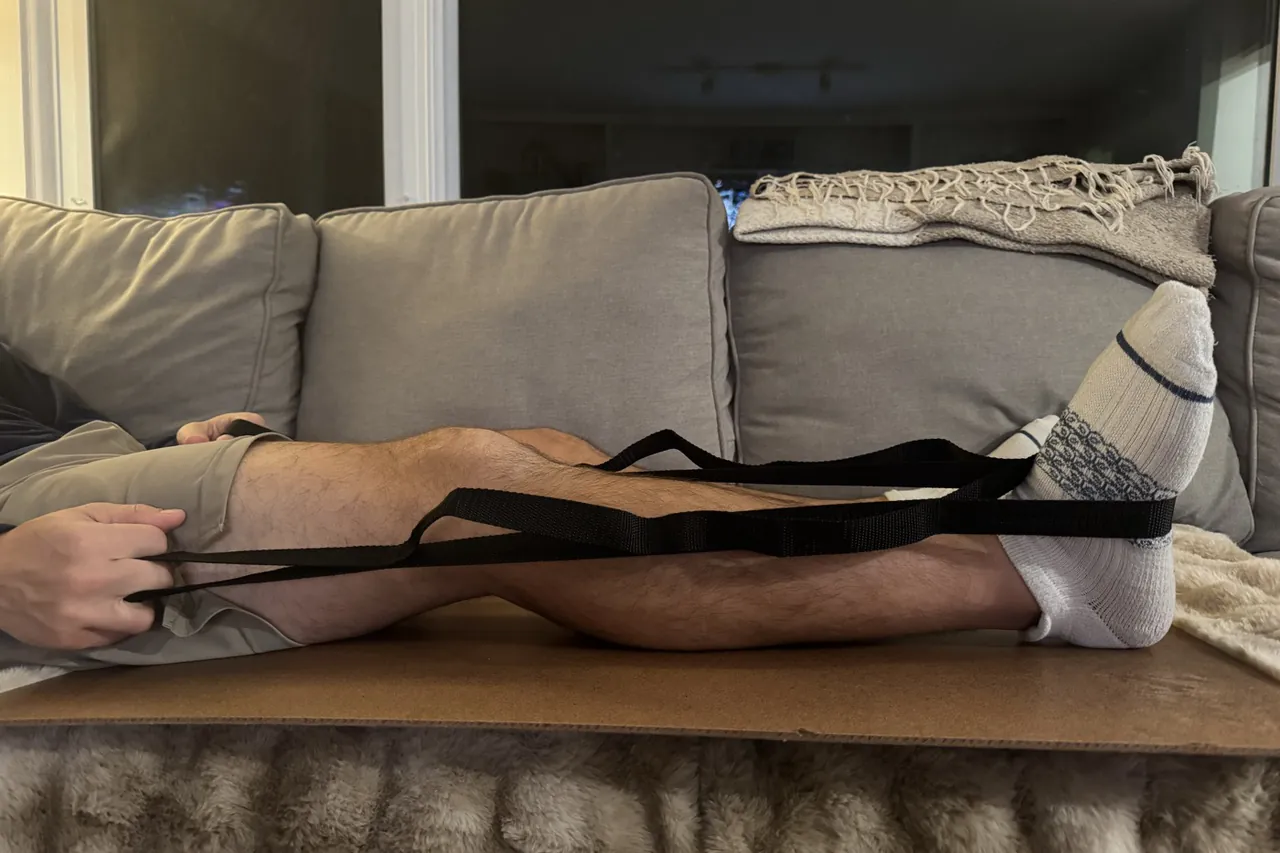 Straight · 0°
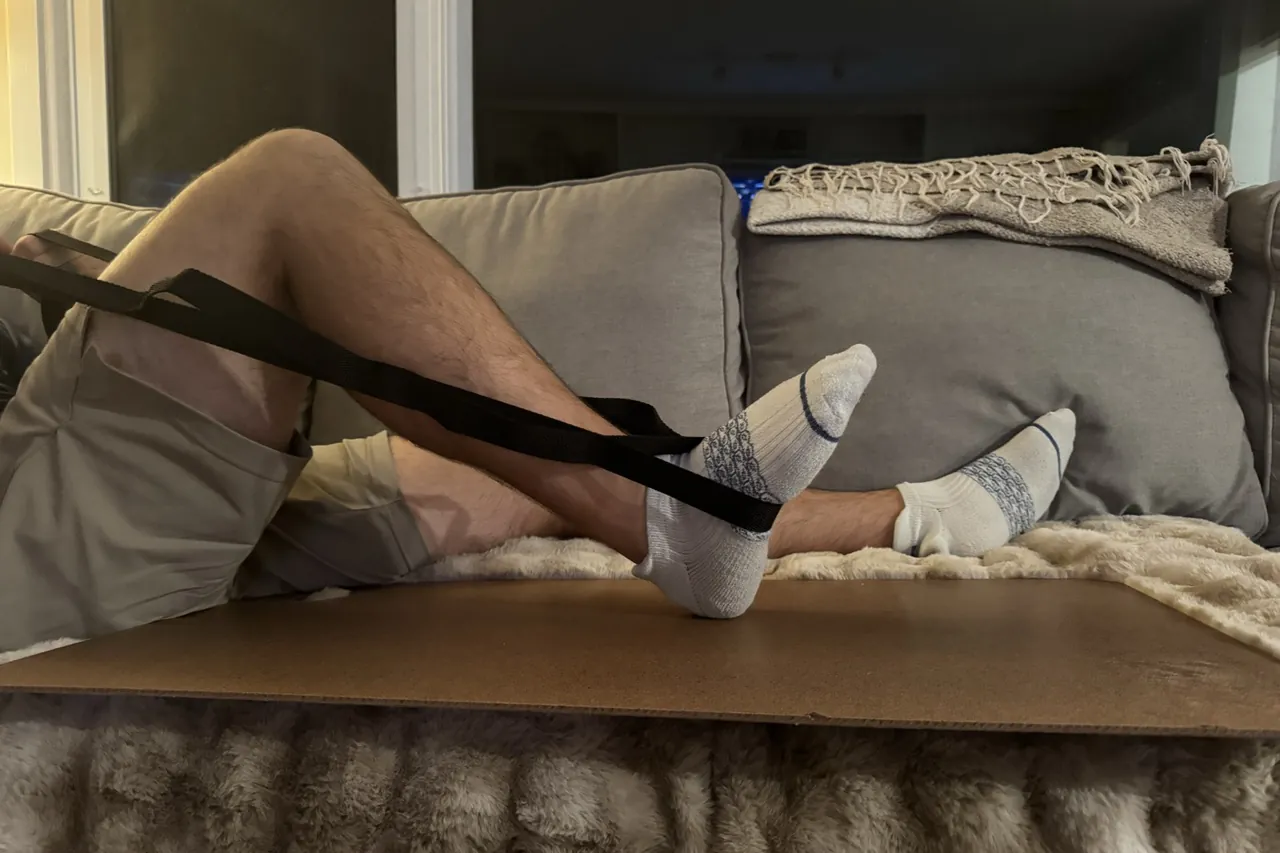 Bent · flexion
Knee range of motion after knee replacement
This is the typical range at each stage. Getting the knee fully straight (0°) comes first, at around 2 weeks.
| Time since surgery | Typical flexion |
|---|---|
| Weeks 0 to 2 | 70–90° |
| Weeks 2 to 6 | 90–110° |
| Weeks 6 to 12 | 110–120° |
| 1 year | 117–122° |
A replaced knee usually ends up with less bend than a healthy one. For the detail, see EquipCore's guide to knee bend after knee replacement, week by week, or our recovery phases.
Knee flexion needed for daily activities
You don't need a healthy knee's full bend to get through the day.
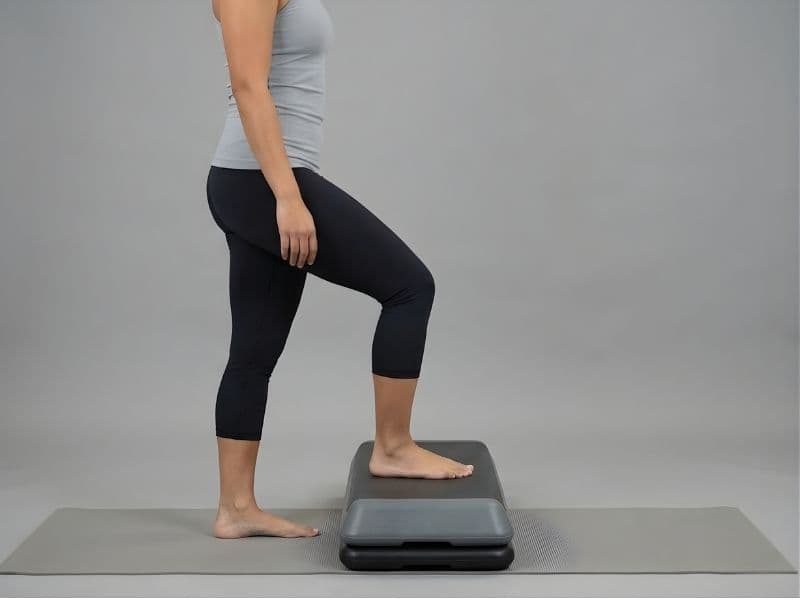 Stairs
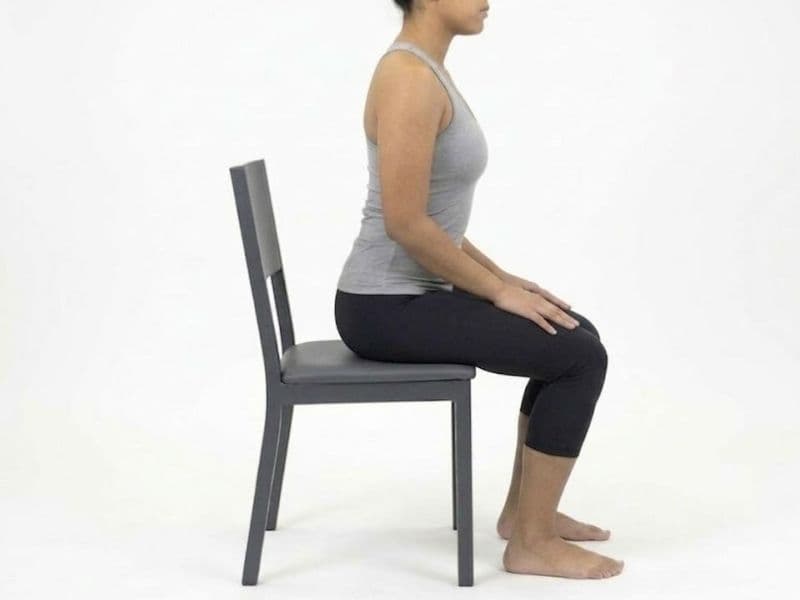 Chair
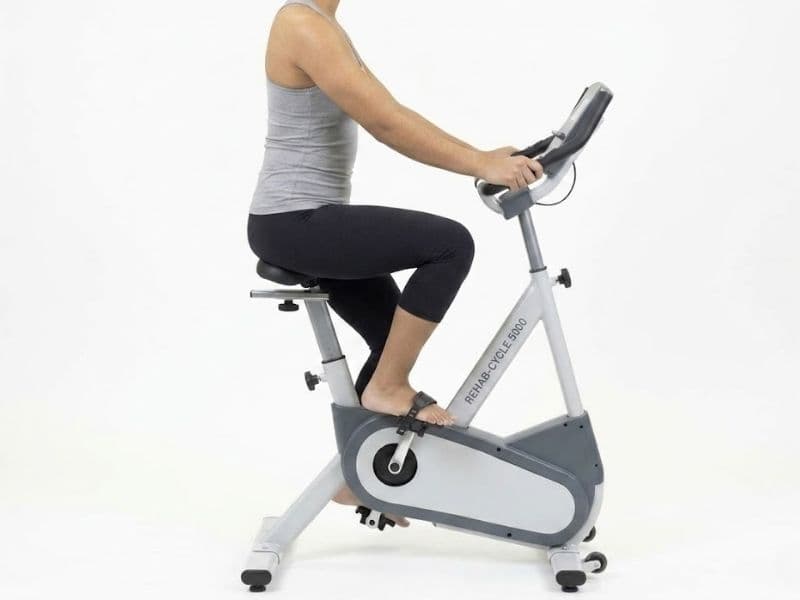 Bike
| Activity | Knee flexion |
|---|---|
| Walking | about 60–75° |
| Going up and down stairs | about 80–90° |
| Sitting in a chair | about 90° |
| Standing up from a chair without your hands | about 95° |
| Full turns on a stationary bike | about 100–110° |
| Getting into a car | about 100–110° |
How to find your own number
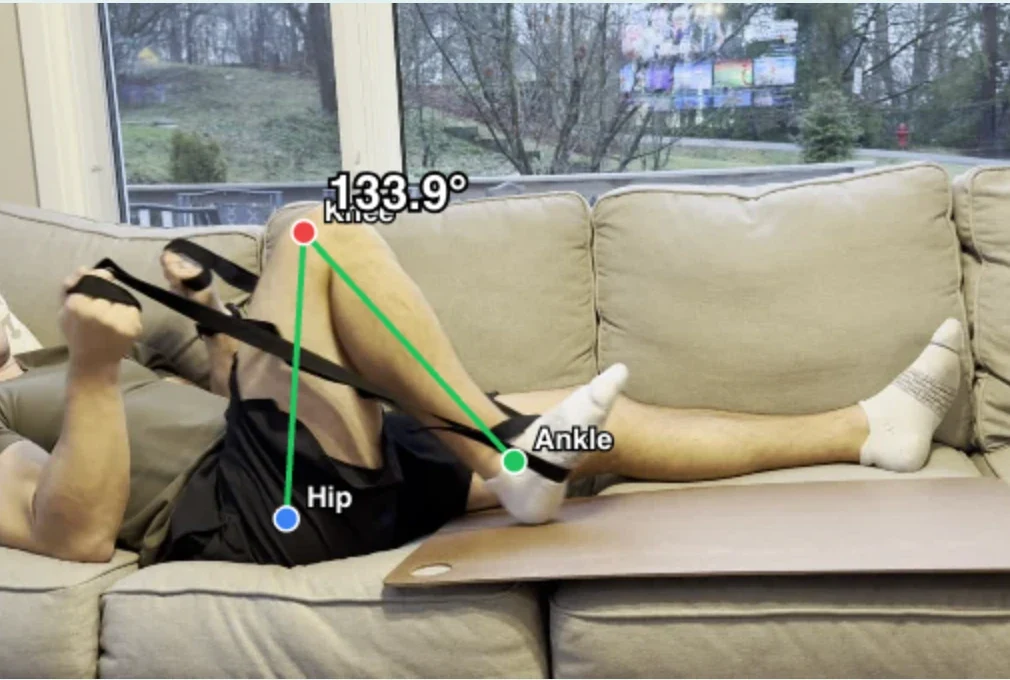
Lie on your back, bend your knee as far as you comfortably can, and take one side photo. Our guide on how to measure knee flexion at home walks through it with a phone or a goniometer.
Common questions
- What is normal knee range of motion?
- A healthy adult knee straightens to 0° and bends to about 135°. In a CDC study of healthy people, knees aged 45 to 69 bent to an average of 133° in men and 138° in women.
- What is a good range of motion after knee replacement?
- Most replaced knees settle at about 117–122° of bend by one year, with the leg fully straight at 0°. That is less than a healthy knee, and it is enough for walking, stairs, chairs and getting into a car.
- How much knee flexion do I need for stairs?
- About 80–90°. Walking takes about 60–75°, sitting in a chair about 90°, and getting into a car about 100–110°.
- Is 120 degrees of knee flexion good after knee replacement?
- Yes. 120° is right where most replaced knees settle by one year, and it is more than everyday activities take.